
How Roofing Down Payments Work Step-by-Step
Hiring a roofing contractor is a major decision, and it usually comes with questions about payment. One of the most common questions homeowners ask is how roofing down payments work. Understanding why they are used, how much they typically cost, and when they are required can help you feel confident and prepared before signing a contract.
Why Roofing Contractors Use Down Payments
A down payment is a standard part of most roofing projects. Contractors use it for practical reasons, including:
Securing materials
Roofers need to order shingles, underlayment, flashings, and other supplies before the job begins. A down payment helps cover those upfront costs.
Reserving your place on the schedule
Reputable contractors often have full calendars. The initial payment confirms your job and prevents scheduling gaps.
Commitment from both sides
The down payment shows the homeowner is serious about moving forward, while the contract itself shows the roofer is committed to completing the work.
How Much You Can Expect to Pay
Down payments vary by region, company, and project size, but most fall within a familiar range. Many contractors charge a small percentage of the total project cost, while others use a flat amount. The most common amounts include:
- Around 10 to 30 percent of the total job
- A fixed deposit if the project is small
- A materials only payment for specialty products
Your contractor should explain their structure clearly and list it in the written agreement.
When Down Payments Are Typically Required
Roofing companies usually ask for the initial payment at one of these stages:
When signing the contract
This is the most common timing. The payment locks in the job, confirms pricing, and starts the ordering process.
Before materials are delivered
If the contractor uses a two stage system, you might pay a small portion at signing and another when materials arrive.
At the start of installation
Some companies prefer to wait until the day work begins, especially if the homeowner is already familiar with the contractor.
A legitimate contractor will always provide clear terms before asking for any money.
What to Watch For
Most down payments are normal, but there are a few red flags homeowners should avoid:
- A contractor who demands a very large upfront payment
- A request for full payment before work begins
- Pressure to pay in cash or without a contract
- A company unwilling to explain its payment schedule
If anything feels off, trust your instincts and ask for clarification.
Benefits for Homeowners
A proper down payment system actually works in your favor. It helps ensure:
- Material costs are secured at the quoted price
- Your project is scheduled and set
- The contractor is committed to your job
- The process stays organized from start to finish
It is a normal and necessary part of professional roofing service.
Final Thoughts
Understanding how roofing down payments work can take the stress out of planning your project. This early investment helps contractors prepare and gives homeowners peace of mind that their roof is in reliable hands. As long as the payment schedule is explained clearly and written into the contract, a down payment is a safe and standard part of getting quality roofing work done.
How Roofing Down Payments Work and When They Are Required
How Roofing Down Payments Work Step-by-Step Hiring a roofing contractor is a major decision, and it usually comes with questions about payment. One of the most common questions homeowners ask is how roofing down payments work. Understanding why they are used, how much they typically cost, and when they are required can help you feel…
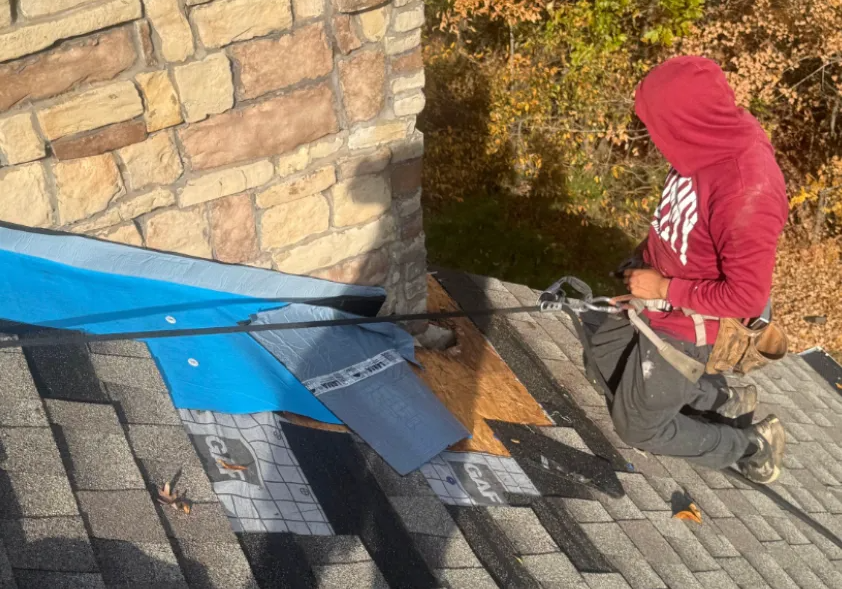
Chimney Dreams & Nightmares: When Curb Appeal Hides a Serious Roof Issue
Signs Your Chimney Is Causing Roof Damage | Roof Nurse At first glance, the chimney in this home was everything the homeowner wanted. A beautiful stone façade, clean lines, and strong curb appeal — one of the features that originally drew him to the property. He loved the look of a traditional chimney without the…
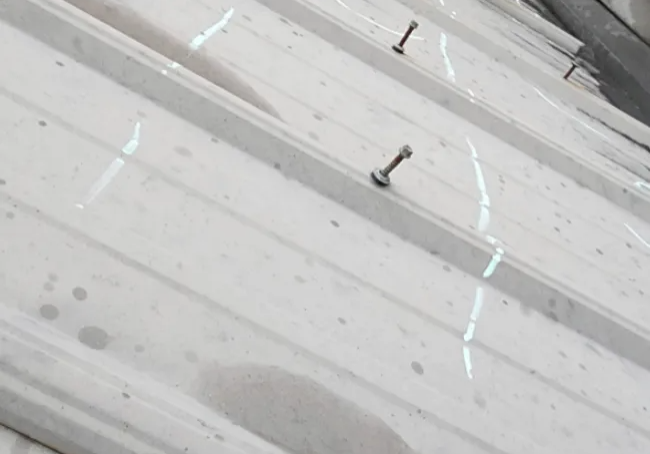
Loose Screws: A Small Problem That Can Lead to Big Roof Trouble
How Loose Screws Can Lead to Major Roof Problems At first glance, the photos can be surprising — metal roof panels that look like they’re ready to slide right off the roof. While it may seem extreme, loose or backing-out screws are actually one of the most common issues we see on metal roofing systems,…
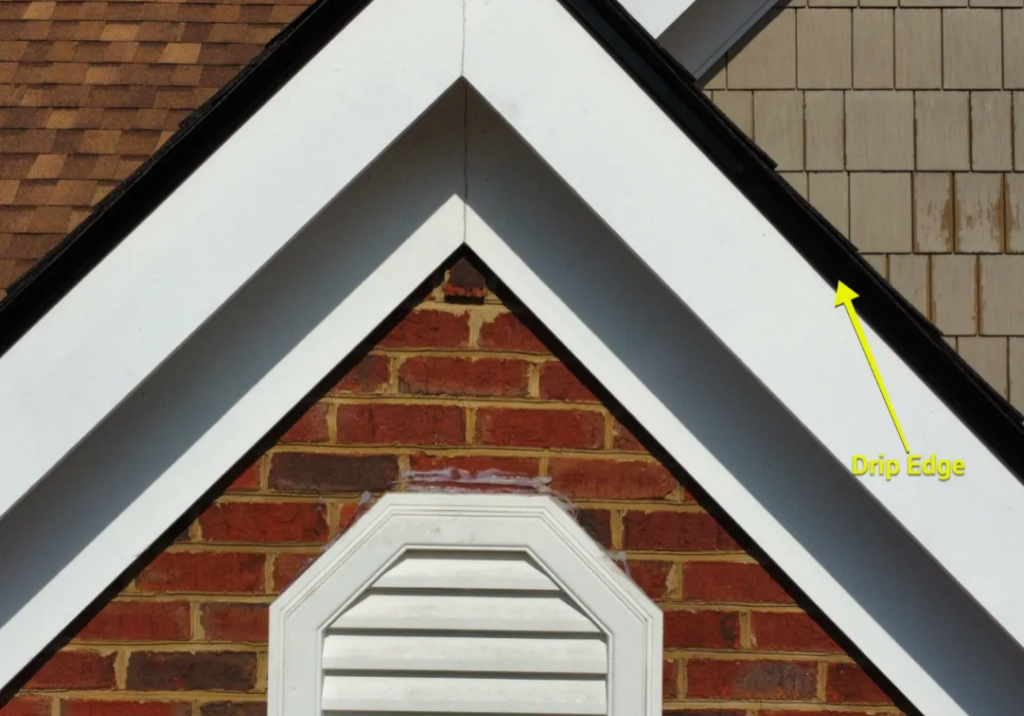
The Real Reason Drip Edge Is Important for Homeowners
The Real Reason Drip Edge Is Important for Homeowners When people think about roofing, they picture shingles, vents, maybe even the underlayment. But one small detail often gets overlooked, and it plays a much bigger role than most homeowners realize. That detail is the drip edge. It might look like a simple strip of metal…
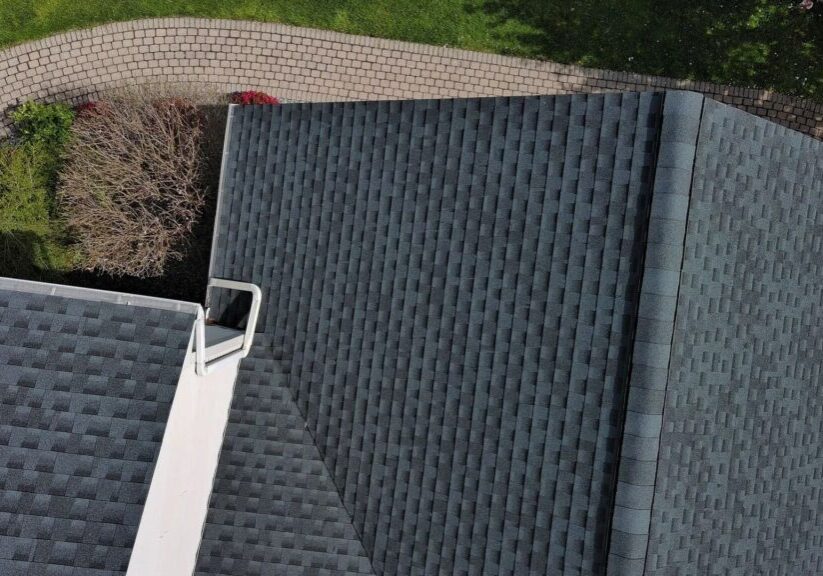
Understand Your Roofing System — Simple, Clear, Essential
How Your Roof System Protects Your Home in Chattanooga, TN Roof Components Explained: From Decking to Gutters When most folks go to their healthcare professional they want to say “Dumb it down for me so I can understand what you’re telling me”. They don’t want abbreviations or technical terms they do not understand. At Roof Nurse we…
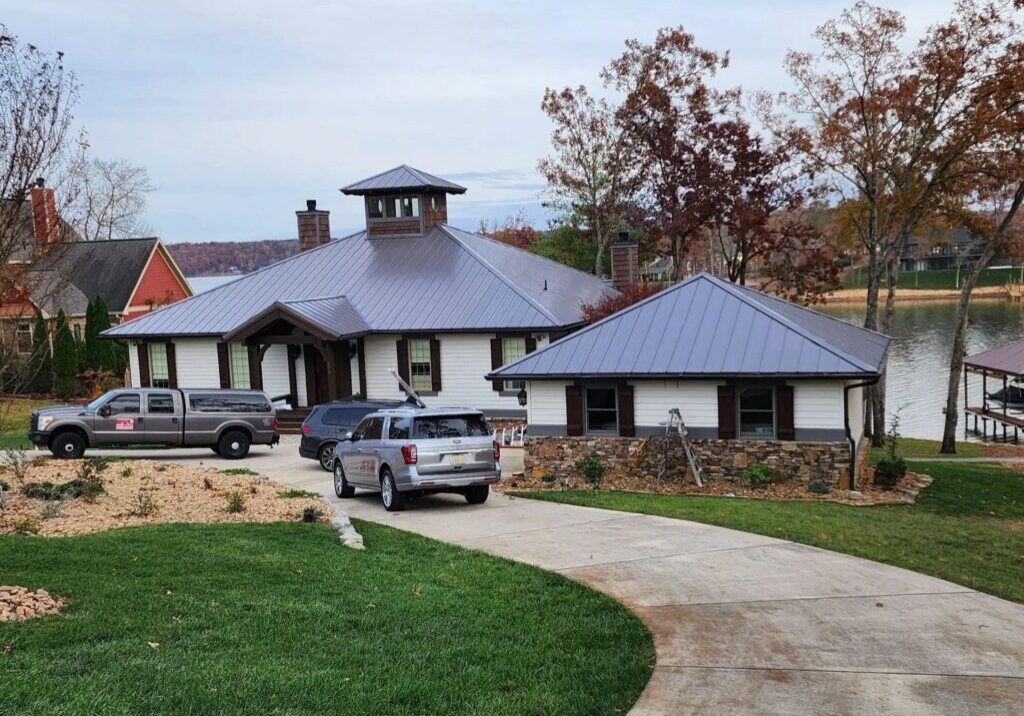
Roofing Replacement Pricing & Services Overview
Roof Replacement Pricing & Services: What Chattanooga Homeowners Need to Know Complete Roof Installation Breakdown and Additional Costs All pricing includes the following line items: Remove existing shingles Install ice and water shield in valleys, eaves, and all penetrations Install Summit 60 underlayment Install Pinnacle Pristine HP 42 with Scotchguard Install Atlas Pro-cut Hip &…
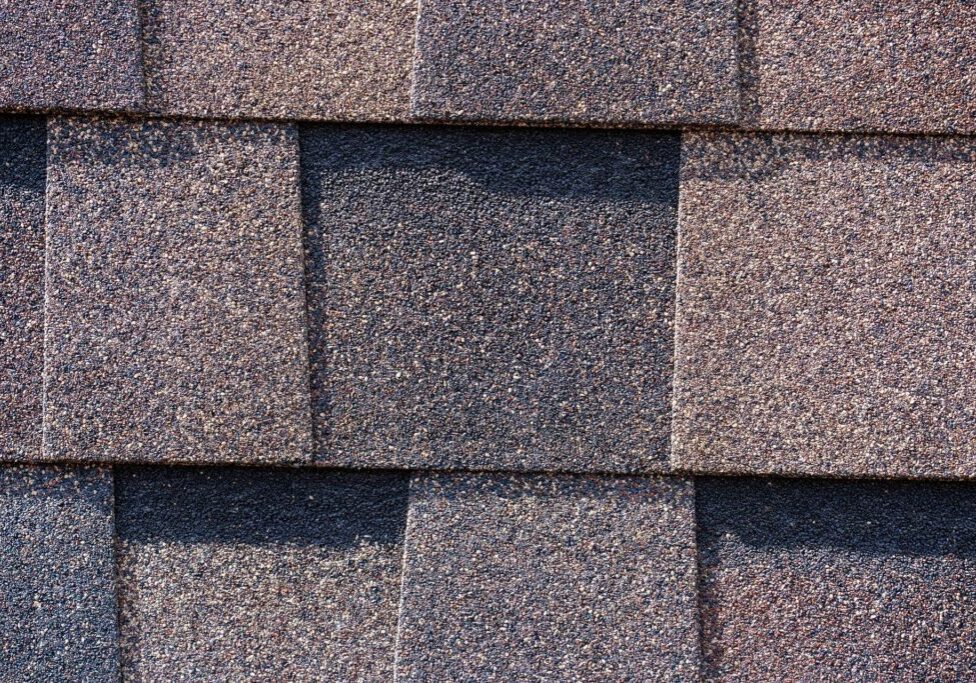
Three-Tab Shingles vs. Architectural Shingles
Key Differences, Benefits, and Which Roofing Option Is Best for Your Home When replacing a roof, homeowners often ask: What’s the difference between three-tab shingles and architectural shingles? While both are types of asphalt shingles designed to protect your home, there are major differences in durability, wind resistance, warranty coverage, and overall value. Understanding these…
Roof Replacement in Chattanooga, TN & NW Georgia: Complete Local Guide
Expert Roof Replacement Services from Roof Nurse – Family-Owned & Customer-First When Should You Replace Your Roof in Chattanooga & the TN Valley? Signs you need a replacement: Roof is 15-20 years old (asphalt shingles) Missing, cracked, or curling shingles Leaks in the attic or ceiling stains Recurring repairs needed If you’re unsure whether your…